Dr. Y. De Geus, DVM, diplomate European College of Veterinary Public Health
Assistant Professor, Utrecht University, Veterinary Medicine, Population Health Sciences
Yvette de Geus worked for nearly thirteen years as a practicing veterinarian specializing in (small) ruminants. Recently, she obtained her PhD for her research on the bacterial count in goat milk. Nowadays she works as a researcher and assistant professor at the Faculty of Veterinary Medicine in Utrecht, where she focuses on small ruminant health, udder health, zoonotic diseases, and the food safety of dairy products. Her passion for the profession remains undiminished: you could wake her up for a bacterial count problem in dairy goats.

Prof.em.dr. Piet A. van Rijn
Department of Virology and Molecular Biology, Wageningen Bioveterinary Research, Lelystad, the Netherlands
Piet is molecular virologist and has supervised many research projects on development of vaccines and diagnostics. Since 2002, he was head of the Dutch statutory research task "Viral Zoonoses and Vector-borne animal Diseases", mainly involved in (modern) diagnostics and preparedness. He was heavily involved in control of Bluetongue outbreaks. By use of reverse genetics, his research group has developed deletion virus variants as Disabled Infectious Single Animal (DISA)-DIVA vaccine platforms for midge-borne orbiviruses. These platforms deliver vaccines for many serotypes meeting all criteria of modern veterinary vaccines (safety, efficacy, cost competitive, and DIVA). Piet retired in January 2025.
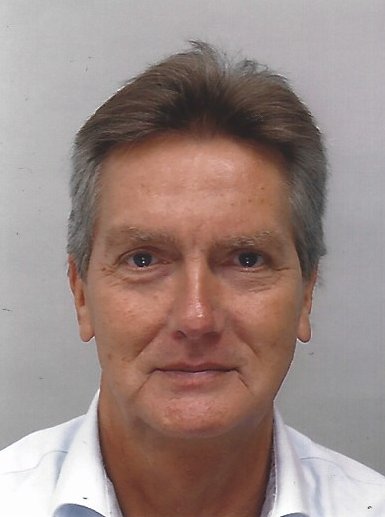
Professor Tom McNeilly
BSc, BVM&S, PhD, MRCVS Scientific Director of Moredun Research Institute | Chief Executive Officer of The Moredun Foundation Honorary Professor at the Royal (Dick) School of Veterinary Studies, University of Edinburgh
Professor Tom McNeilly, a qualified veterinary surgeon, is an immunologist and infectious disease biologist with expertise in translational aspects of ruminant immunology, including vaccine development and population-based studies on immune variation in livestock species. He has been involved in the development vaccines to control parasitic, viral and bacterial infections in both cattle and sheep, including those which have progressed to field evaluation or commercial use. His work has used advanced surgical and culture-based methods in ruminant species to define key host-pathogen interactions at the mucosal interface, and has identified several heritable immune biomarkers in ruminants associated with increased resistance to disease. He has published over 140 refereed publications in international peer-reviewed journals. His current interests are: 1. The use of in vivo and in vitro study systems to understand host-pathogen interactions at mucosal surfaces; 2. The development of vaccines against major endemic pathogens of sheep and cattle including those with zoonotic potential; 3. The use of pathogen genomics to identify conserved vaccine targets and assess disease risk; 4. The causes and consequences of immune variation in in ruminant populations.

Gerrit Koop
Sustainable Ruminant Health, Department of Population Health Sciences, Faculty of Veterinary Medicine, Utrecht University, The Netherlands
Gerrit Koop is a veterinarian and associate professor in Preventive Ruminant Health. He obtained his PhD on mastitis in dairy goats. As a veterinary epidemiologist and diplomate of the ECVPH (subspecialty: Population Medicine), his focus is mainly on preventive health. His interests are in mastitis, milk quality and animal welfare in relation to housing. He chairs the Sustainable Ruminant Health group at Utrecht University and combines his research on the health and welfare of ruminants with teaching students in veterinary medicine and epidemiology.